Practical Uses and Benefits of ibc in Modern Logistics
ibc help businesses store and move liquids and bulk materials with better space usage and smoother handling. This guide explains how ibc fit into real operations, what to check before buying, and how to use them efficiently.
As supply chains become faster and more cost-sensitive, companies look for packaging that reduces handling time while keeping products protected. In many warehouses and production sites, ibc have become a practical answer because they support bulk movement without forcing teams to manage countless small containers. When an operation scales, the value of ibc often shows up in very simple places: fewer transfers, less wasted space, and more predictable daily routines.
View options here:
ibc
Why ibc are used so often
ibc are widely used because they balance capacity, handling convenience, and durability. Instead of splitting one product into many drums or small packages, teams can consolidate volume and manage it with standard warehouse tools. For businesses that move liquids, semi-liquids, or compatible granular materials, ibc can simplify transport planning and reduce the number of touchpoints across the workflow.
Common scenarios where ibc make operations easier
ibc can fit into many real-world processes. These are common situations where ibc can reduce friction:
- Inbound receiving: ibc can reduce unloading time by consolidating volume into fewer units for faster scanning and placement.
- Production transfer: ibc can support moving materials from storage to mixing or batching areas with less repackaging.
- Short-term storage: ibc can help keep materials organized in a predictable footprint, especially when stackable formats are used.
Key advantages of ibc
While every site is different, the advantages below are the main reasons teams continue to adopt ibc:
| Advantage | How it helps in practice |
|---|---|
| Better space control | ibc often provide a consistent footprint that can improve warehouse layout planning and reduce wasted gaps. |
| Fewer handling steps | By consolidating volume, ibc can reduce transfers, relabeling, and repeated movement compared to many small containers. |
| Reusable durability | With proper use and maintenance, ibc can support repeated cycles and reduce long-term packaging replacement needs. |
What to check before selecting ibc
Selecting ibc is easier when you treat it like a compatibility and workflow decision. Before choosing, review these points:
- Content compatibility: Confirm the ibc materials and seals suit what you store, including any cleaning or reuse plan.
- Capacity planning: Match ibc capacity to how your team batches, ships, or replenishes materials so you avoid overbuying or bottlenecks.
- Handling method: Ensure your equipment can move loaded ibc safely, including pallet standards and stacking limits.
In conclusion, ibc can be a high-impact operational upgrade when they align with real handling habits. A well-chosen ibc setup can reduce clutter, simplify logistics, and help teams maintain a cleaner and more repeatable storage workflow.
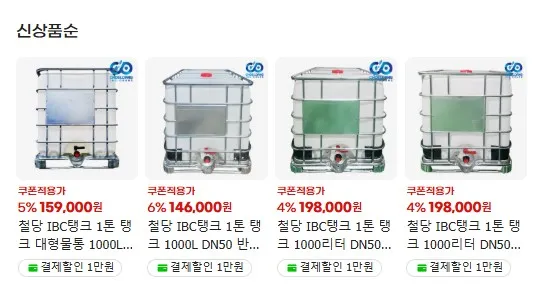
If you are planning to introduce ibc, start with one workflow such as inbound storage or production transfer, then expand once your team confirms the handling process is stable. That approach tends to produce the best long-term results.