Card Payments for Rent, Management Fees, and Labor Costs: A Practical Guide for Korean Residents and Business Owners
Managing monthly expenses in Korea has traditionally meant keeping a steady flow of cash or maintaining enough balance for automatic bank transfers. However, a growing number of people are discovering that credit and debit cards can now be used for payments that were once exclusively cash-based. This article explores how card payment services work for monthly rent, building management fees, and labor-related costs, and why more individuals and business operators are making the switch.
Why Cash-Based Payments Are Becoming Inconvenient
For decades, paying monthly rent or building fees meant scheduling a bank transfer on a specific date, making sure funds were available, and hoping nothing unexpected drained the account beforehand. This system worked reasonably well in stable financial conditions, but it left little room for flexibility. A delayed client payment or an unexpected expense could easily cause a missed transfer, leading to strained relationships with landlords or property managers. The demand for a more flexible alternative has grown steadily, and card-based payment services have stepped in to fill that gap.
Understanding the Three Main Payment Categories
Monthly Rent via Card
Monthly rent card payment refers to a service that allows tenants to pay their landlord’s rent using a credit or debit card, even when the landlord does not have a card terminal. A payment agency acts as the intermediary, collecting the card payment from the tenant and forwarding the equivalent amount to the landlord’s bank account. This means tenants can benefit from card reward points, installment plans, or simply the breathing room that comes with a billing cycle delay, all without requiring the landlord to change anything about how they receive funds.
Building Management Fee Payments
Residents of apartments, officetels, and other managed properties receive a monthly management fee bill that typically covers cleaning, security, elevator maintenance, and shared utility costs. Traditionally, these bills were paid via bank transfer or automatic debit. Now, services offering 관리비카드결제 allow residents to settle these monthly charges using their preferred credit or debit card, making it easier to consolidate expenses and track spending through a single card statement. This is particularly useful for people who actively manage household budgets or collect card points.
Labor and Service Cost Payments via Card
For business operators, one of the most pressing financial challenges is managing payroll timing. When revenue is delayed but wages are due, cash flow can become critically tight. Labor cost card payment services allow business owners to pay employee salaries, part-time worker wages, or outsourced service fees using a credit card. The payment agency handles the disbursement to the workers’ accounts, while the business owner repays the card balance on the card’s billing cycle. This effectively pushes the actual cash outflow forward by several weeks, providing critical breathing room during slow periods.
Key Benefits at a Glance
- Improved cash flow management by delaying actual cash outflow through card billing cycles
- Accumulation of credit card reward points or mileage on payments that were previously non-eligible
- Simplified expense tracking by consolidating multiple payments onto a single card statement
- Reduced risk of missed payments due to temporary account shortfalls
Comparing Payment Methods Side by Side
| Payment Type | Traditional Method | Card Payment Service |
|---|---|---|
| Monthly Rent | Bank transfer on due date | Credit or debit card via agency |
| Management Fee | Auto-debit or bank transfer | Card payment with point benefits |
| Labor Costs | Direct bank transfer to workers | Card-funded disbursement by agency |
Things to Consider Before Using These Services
While card payment services offer genuine convenience, it is worth understanding the fee structures involved. Payment agencies typically charge a small service fee, often a percentage of the transaction amount, in exchange for the intermediary work they perform. Users should calculate whether the value of card points earned or the cash flow benefit outweighs this cost. For business operators using labor cost card payment services, it is also important to ensure that the service is compliant with local labor and financial regulations. Choosing a reputable and transparent service provider is essential.
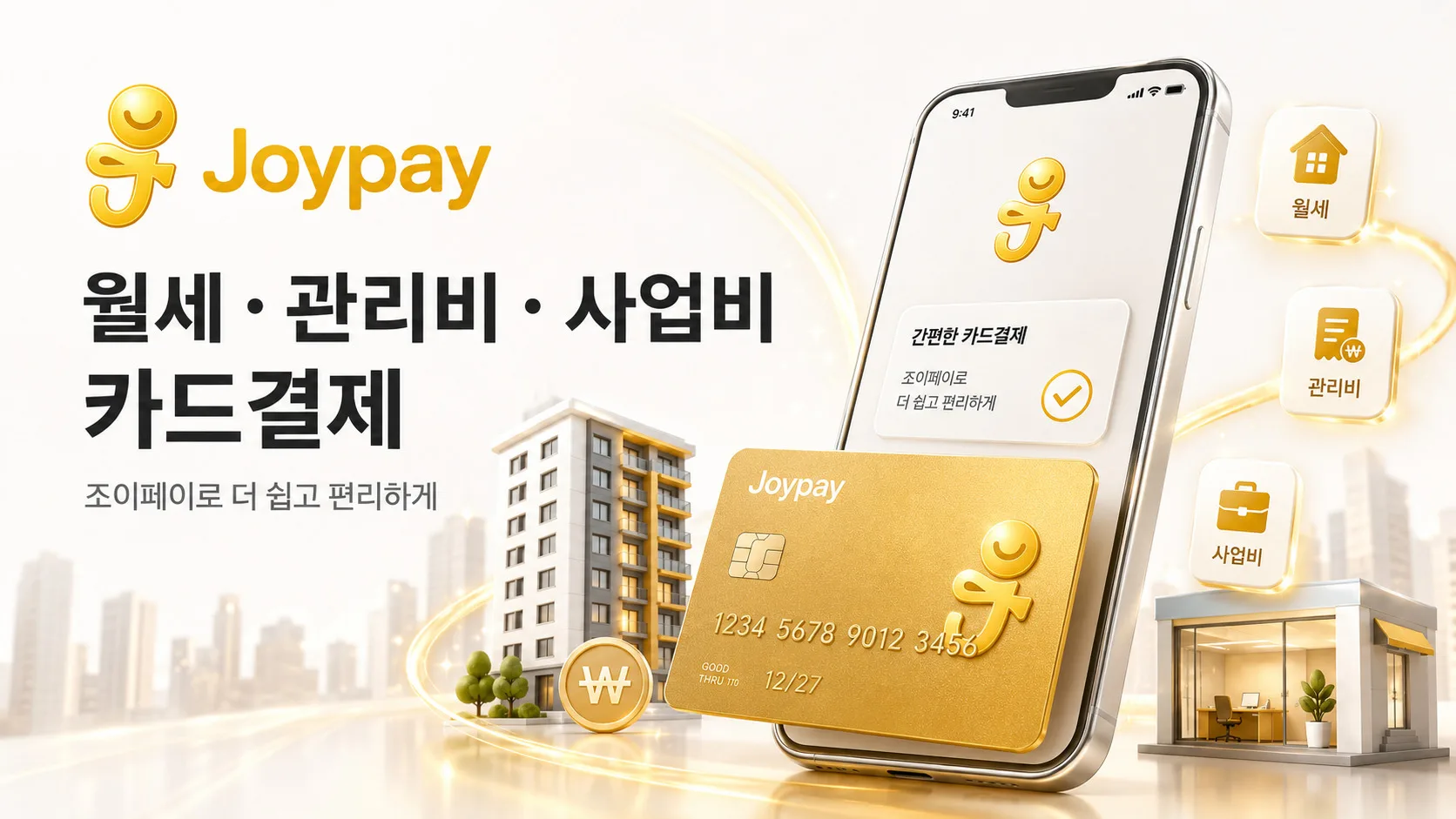
Card payment services for rent, management fees, and labor costs represent a meaningful shift in how Koreans handle recurring financial obligations. Whether you are a tenant looking for more flexibility, a resident wanting to earn points on monthly fees, or a business owner navigating payroll timing, these services offer practical solutions that traditional bank transfers simply cannot match. As financial technology continues to evolve, the gap between card-eligible and cash-only payments is narrowing in ways that benefit everyday users.